Where TMT Bar Actually Goes
Grade and diameter are decided by what the element has to do. Here is the practical mapping.
High-rise columns and shear walls
Heavy bars from 20 mm to 40 mm, mostly Fe 500D and Fe 550D, where reduced congestion in the cage matters as much as strength.
Slabs, beams and staircases
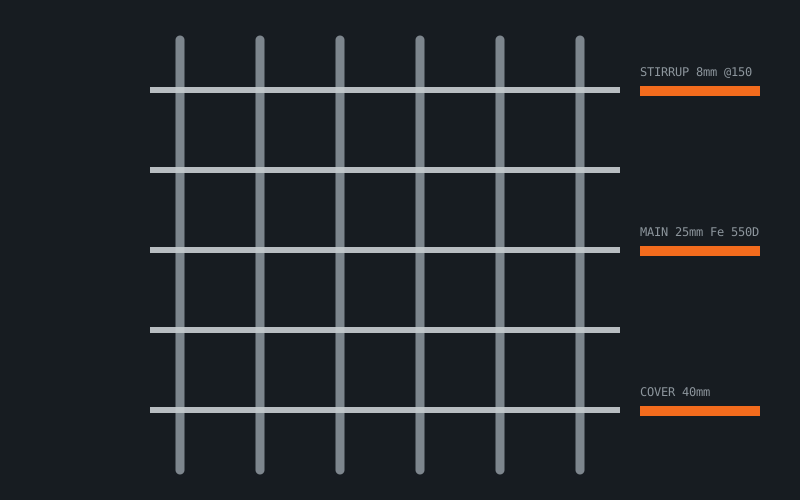
8 mm to 16 mm distribution and main steel. The grade you can bend on site without cracking is the grade that gets used.
Raft and pile foundations
25 mm to 40 mm in long lengths, usually mill-direct because the tonnage justifies it.
Bridges, flyovers and metro viaducts
Fe 550D and Fe 500S to IS 13920 detailing, with third-party test reports usually mandated by the client.
Industrial floors and warehouse sheds
Mesh and 8 mm to 12 mm bar for slabs on grade, plus foundation steel for pre-engineered buildings.
Coastal and marine structures
CRS or epoxy coated bar within a few kilometres of the shoreline, where chloride ingress decides the life of the structure.
Water tanks, STPs and effluent works
Extra-ductile D grades with tight crack-width control, because these structures are designed to not leak.
Boundary walls, plinths and low-rise housing
6 mm to 12 mm, where Fe 415 and Fe 500 still make commercial sense.